Lifestyle & Daily Life in Manglaralto, Ecuador
Life in Manglaralto and the surrounding corridor offers a relaxed, surf‑oriented coastal lifestyle with strong community ties, easy access to nature, and a growing expat and digital‑nomad presence.
This page is for people considering a move to Manglaralto, Olón, or the Ecuadorian coast and wanting to understand how life actually feels day to day — from food and internet to safety, expat community, and weekend trips.
Manglaralto — where the property is
A place where time stands still
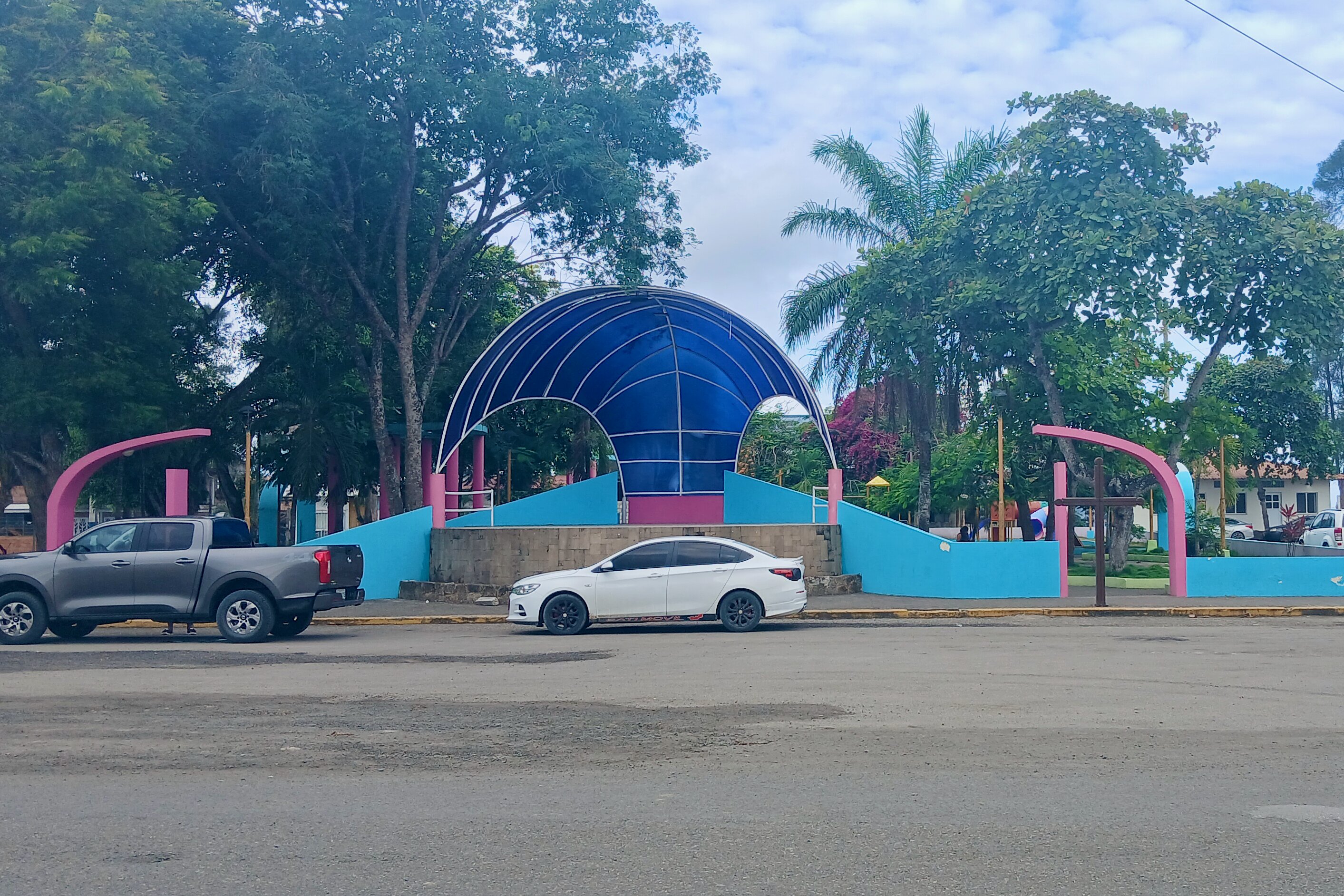
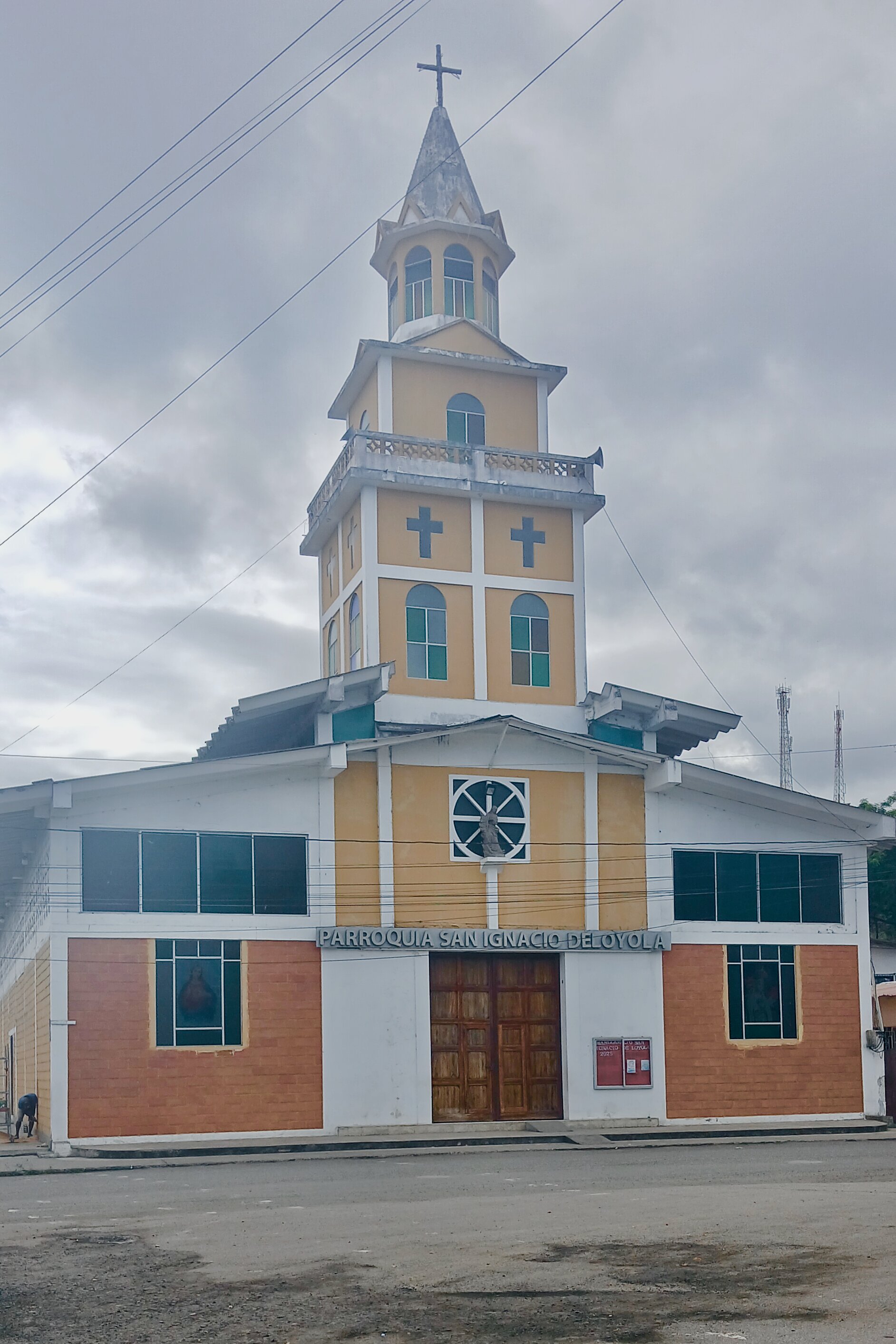
First, a small geography note that trips people (and Google) up: Manglaralto is both a town and the name of the larger parroquia (parish) that includes Olón and Montañita — and that parroquia sits within the provincia of Santa Elena. Web searches often blur these together, or place them incorrectly.
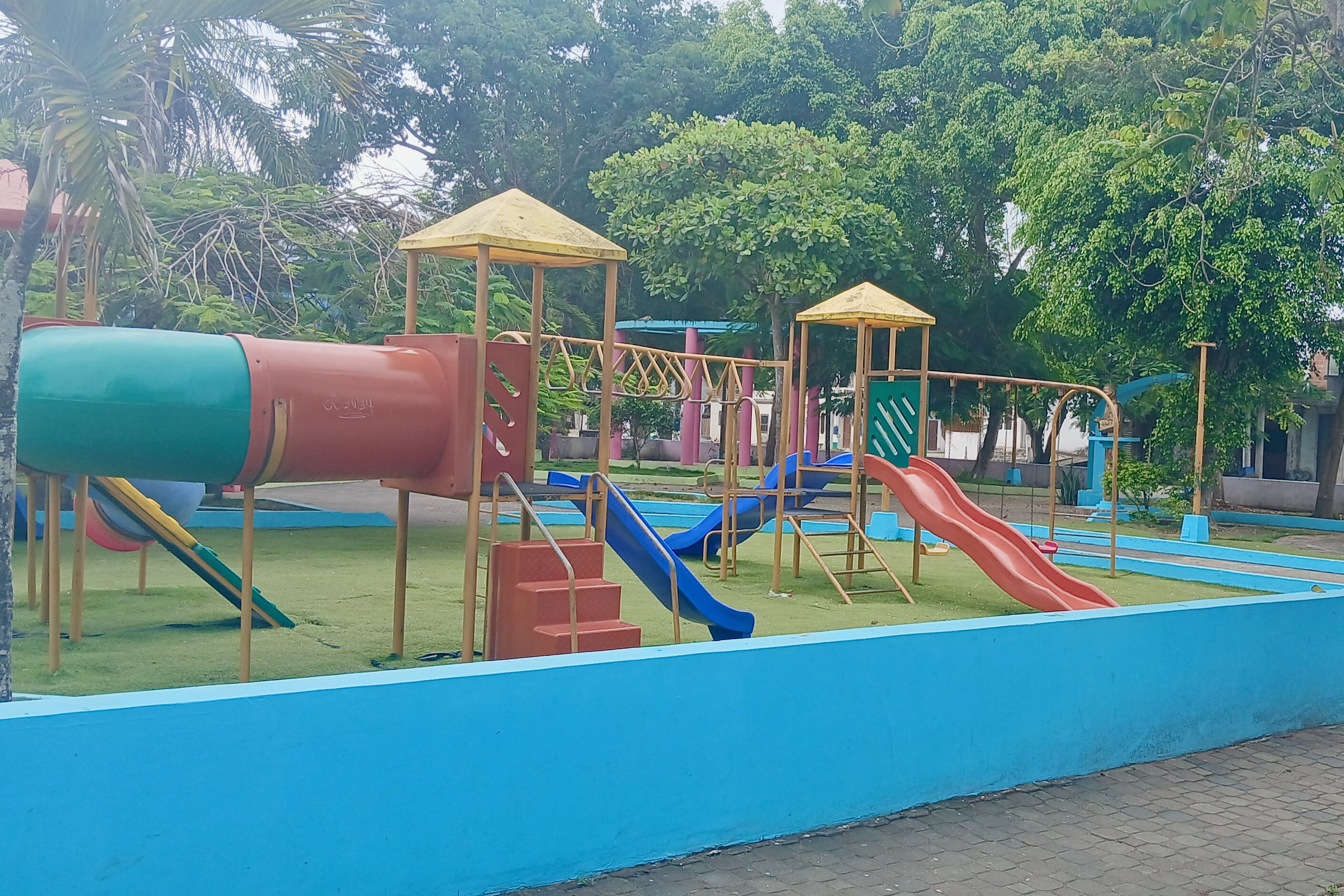
The town of Manglaralto is smaller, quieter, and family‑oriented. It's a mix of working‑class coastal families, fishermen, and expats and remote workers who found it and decided to stay. There's a strong sense of community here — residents are active in turtle conservation, local festivals, and neighborhood projects — and you feel that pretty quickly after arriving.
It's not a resort town vibe. It's a real working coastal town that happens to be livable, and that distinction matters a lot if you're thinking about actually living somewhere versus just visiting.
The beach
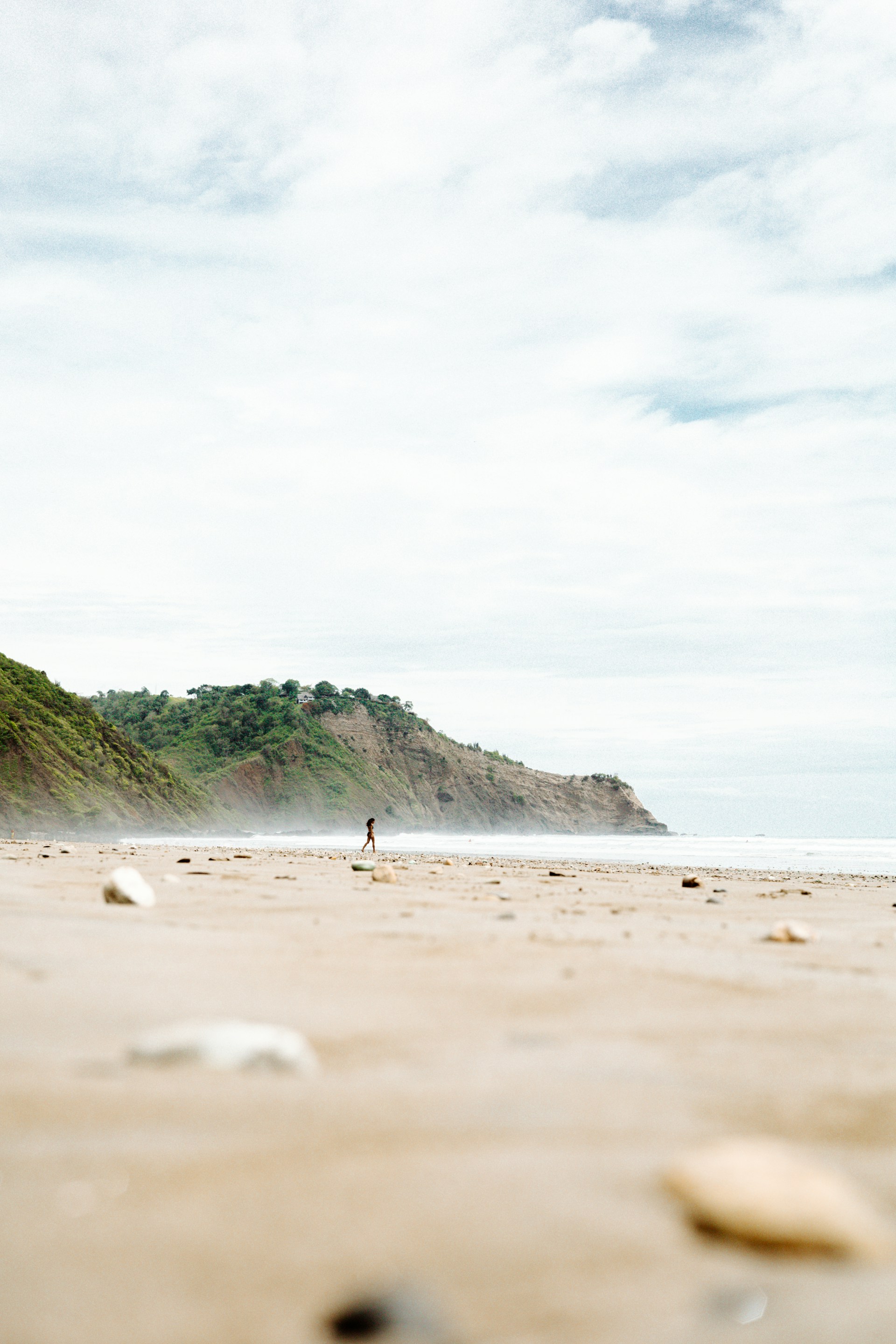
The beachfront here is calm and unpretentious. Cleaner stretches than you'll find in more heavily touristed areas, long and relatively flat, excellent for early‑morning or sunset walks when it's mostly just locals out. You're not competing for space or dodging hawkers. It's just a beach.
Food, groceries & daily life
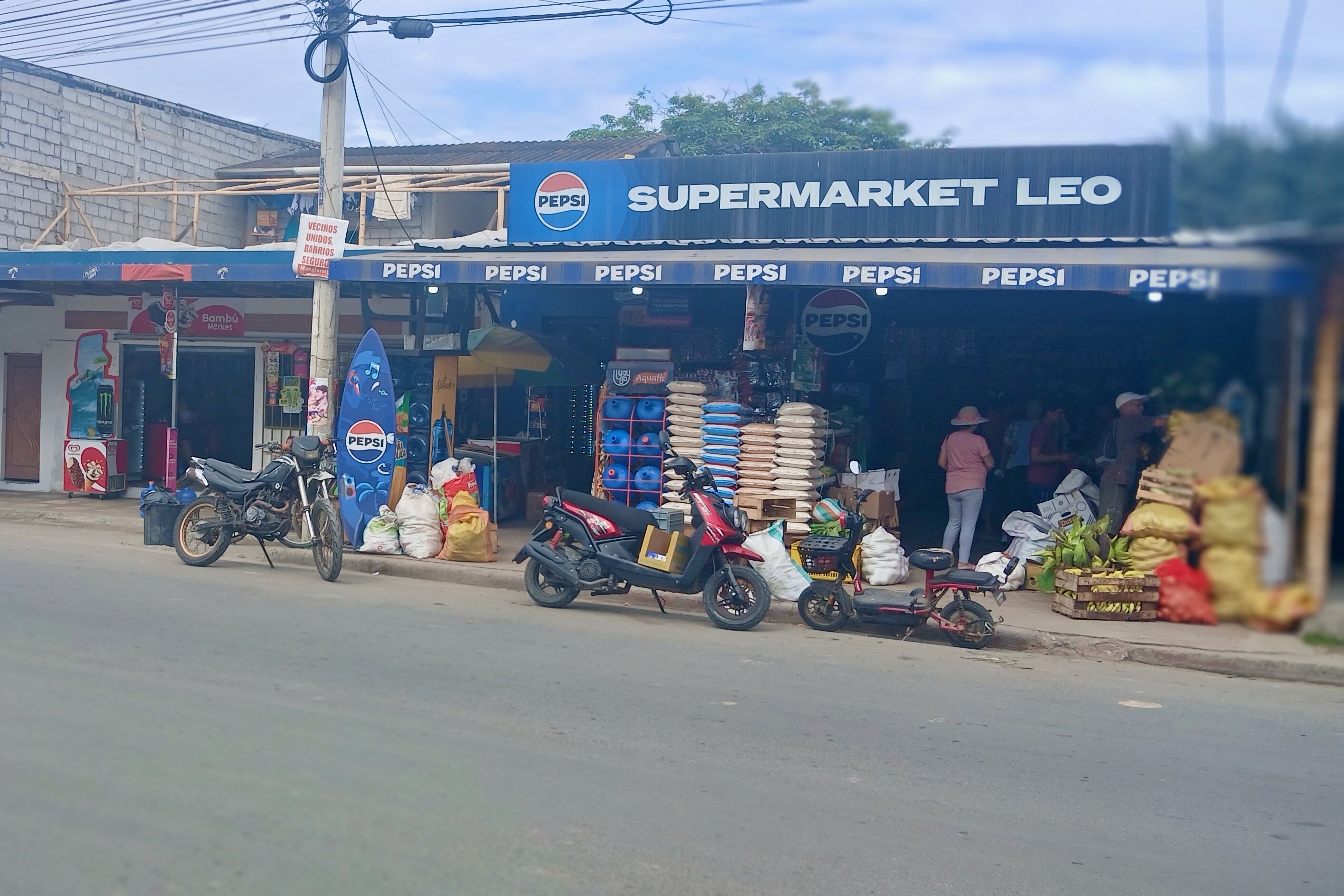
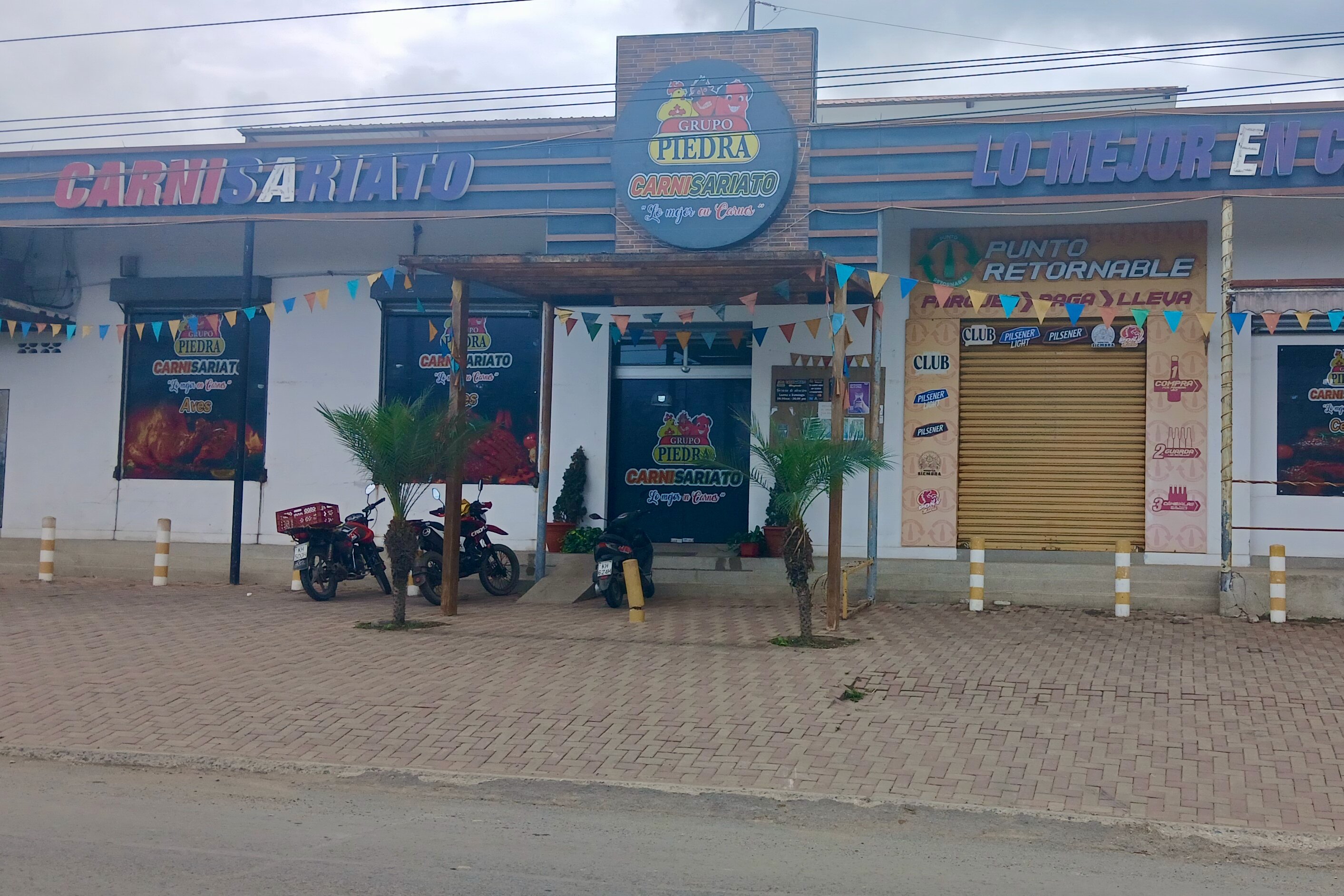
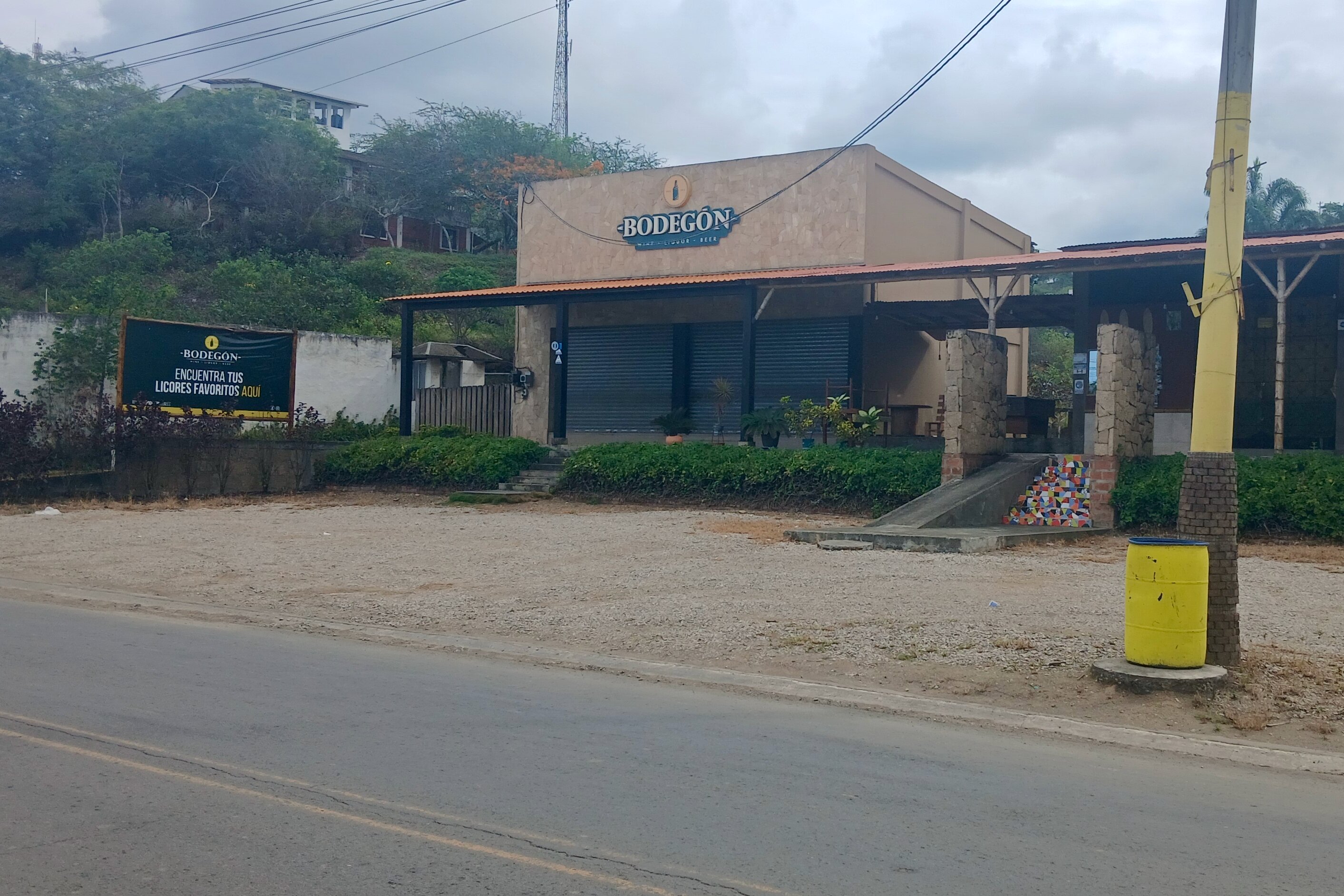
One of the nice things about Manglaralto is how functional everyday life is here — you generally don't need to leave for the basics, and there's enough variety that it doesn't feel like roughing it.
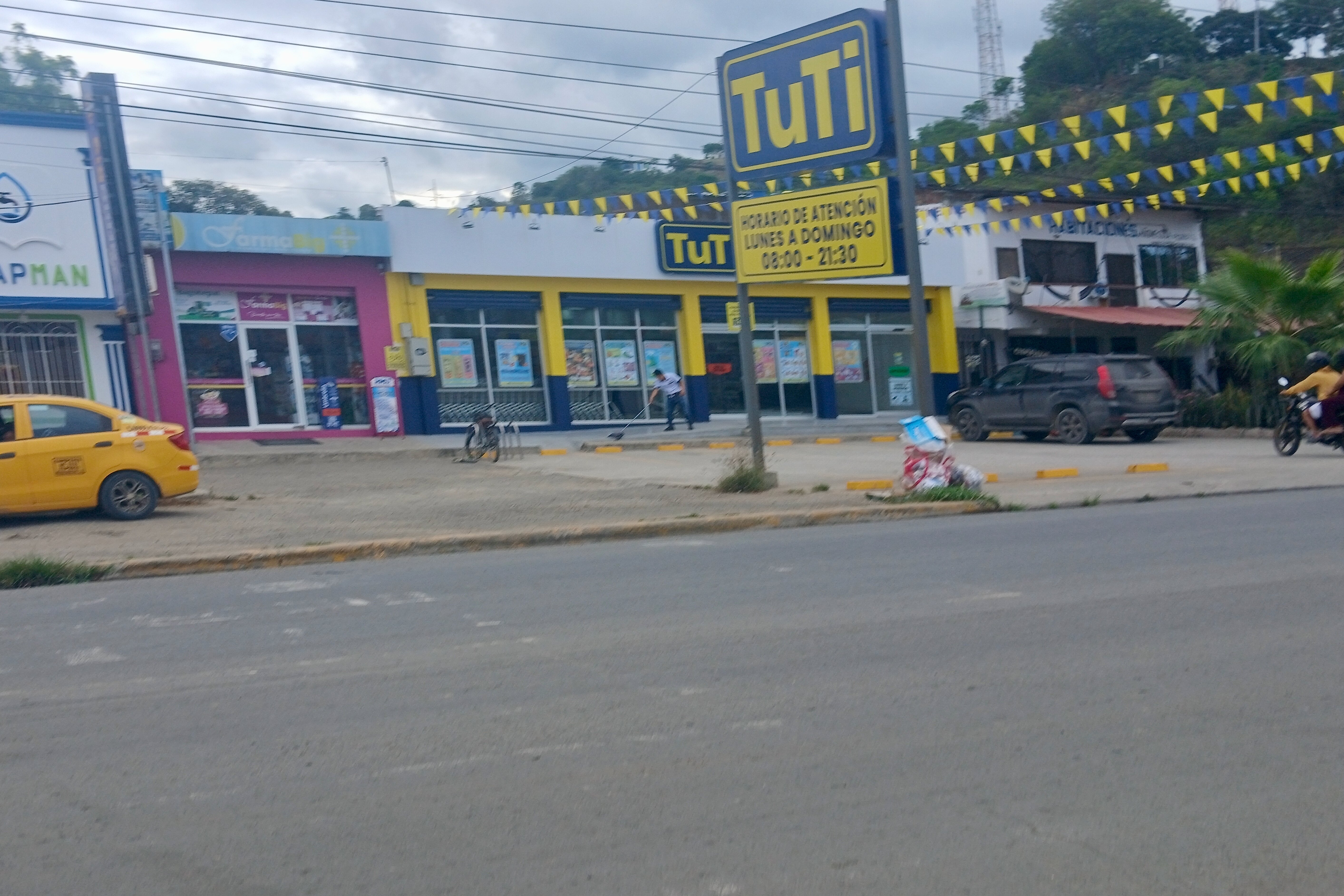
Markets sell fresh produce, seafood, and baked goods. A Tuti grocery store opened in town for good prices on some basics. Larger supermarkets — TIA in Montañita ($0.60 by bus), and bigger options in Santa Elena and Salinas — aren't too far for some specialty items.
Bakeries, cafés & eating out
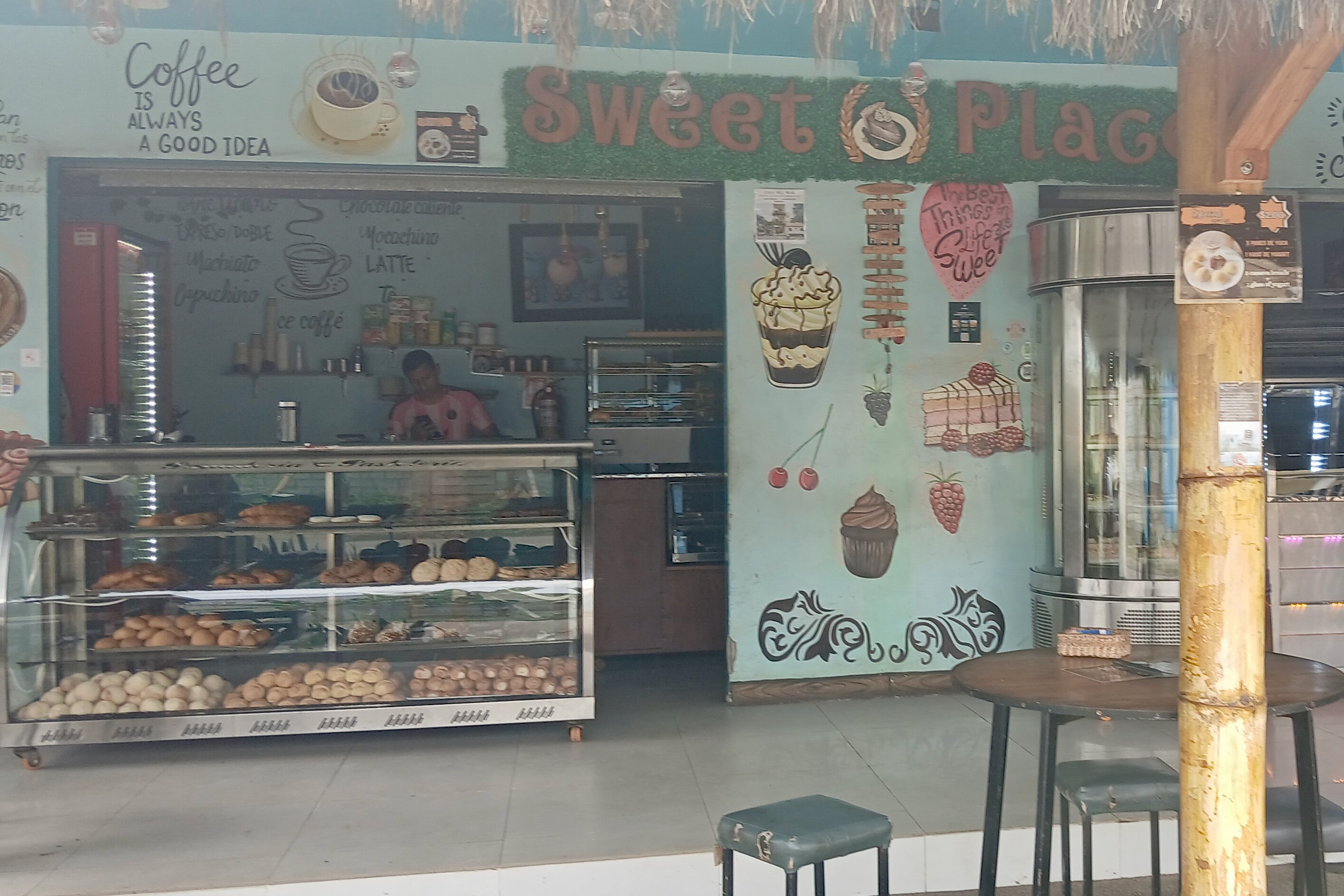
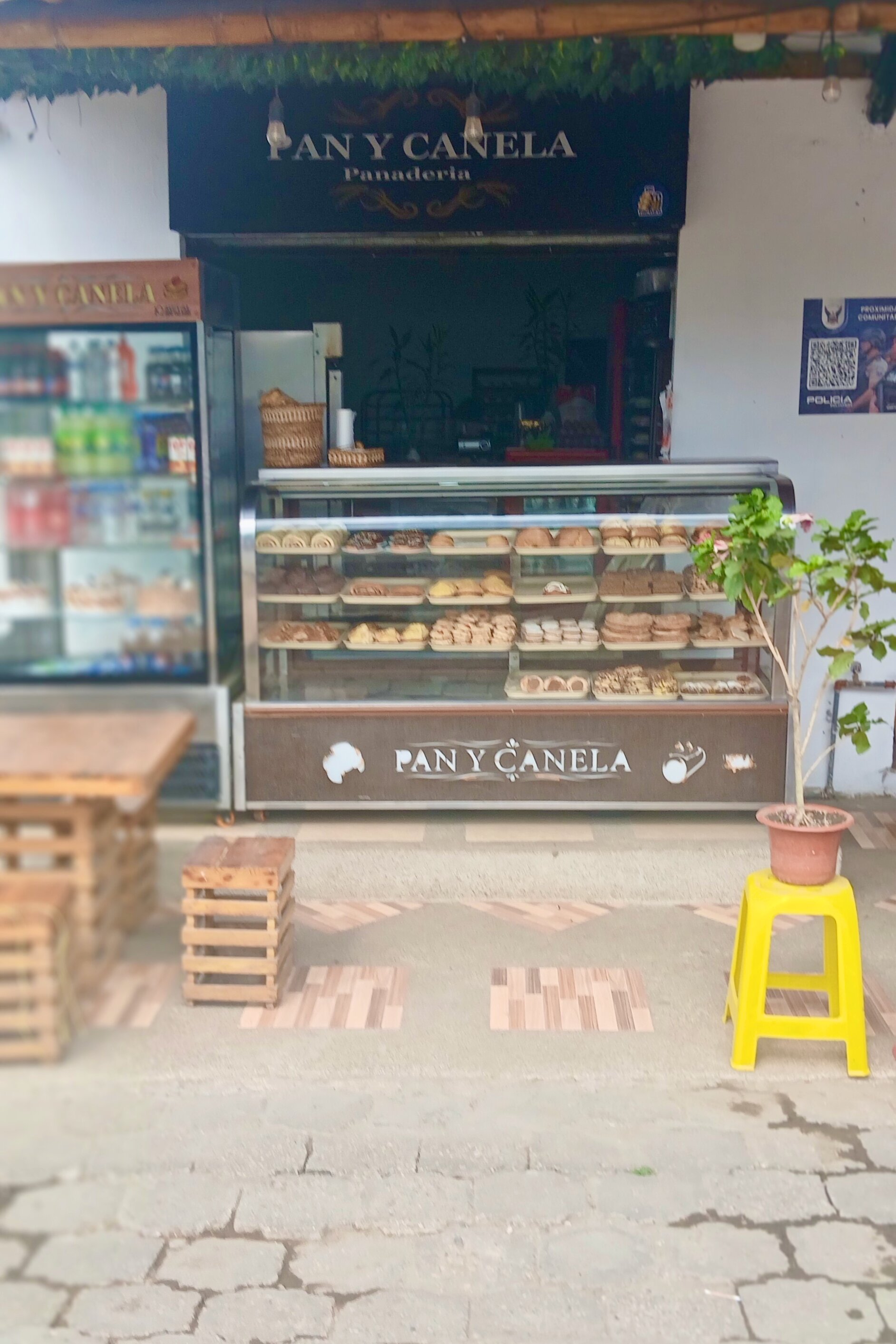
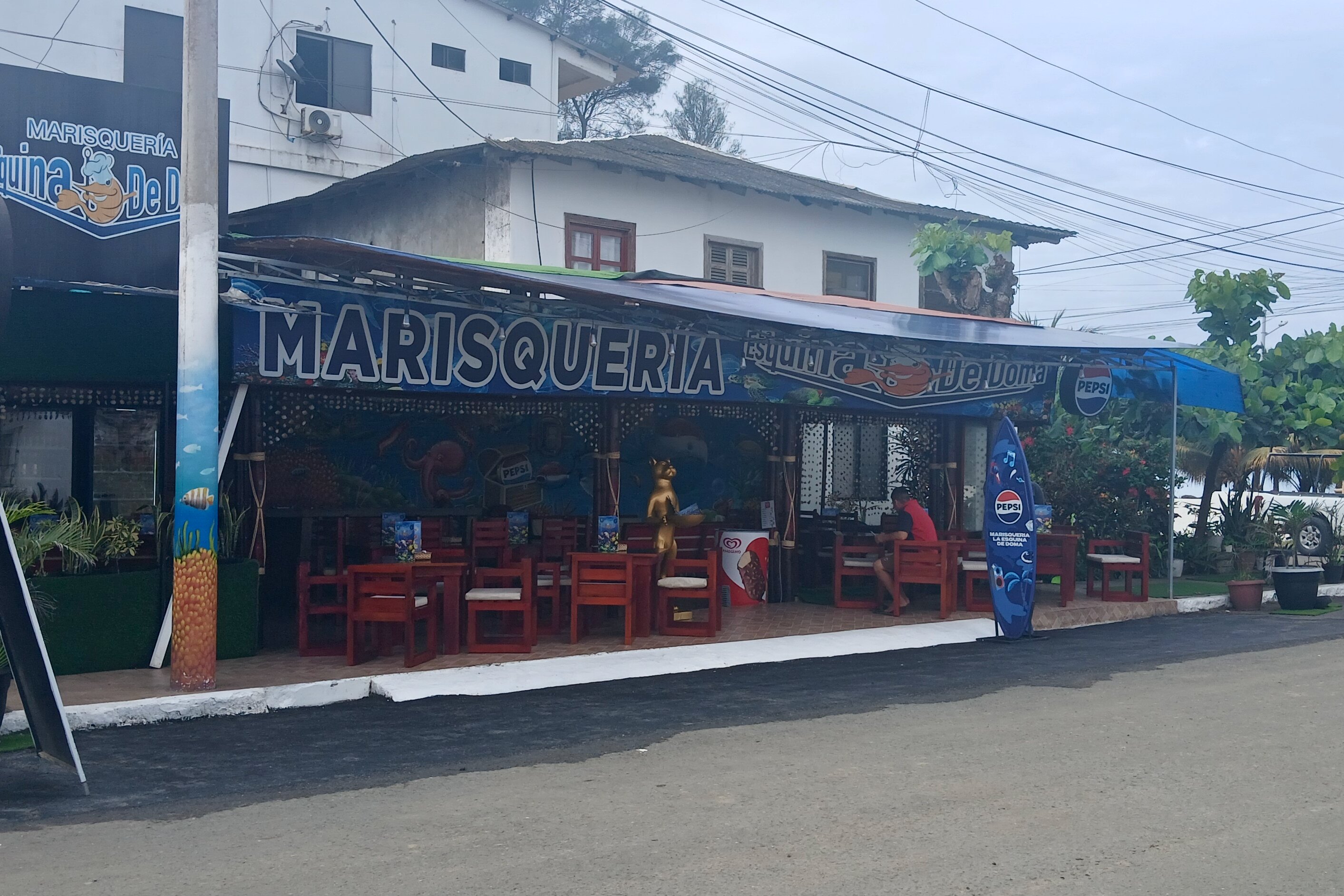
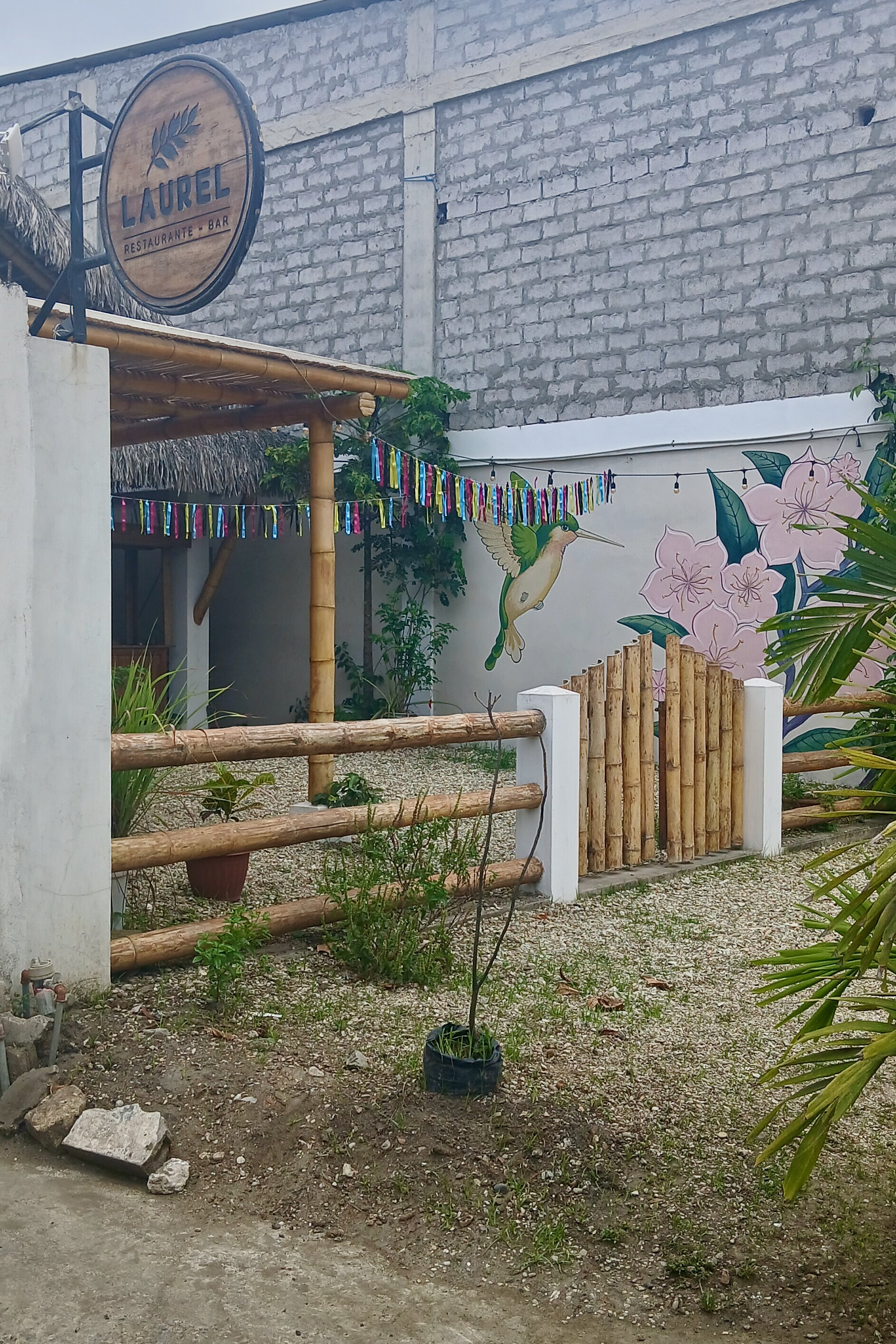
A lot of daily life in Manglaralto happens in small, walkable spots — bakeries, cafés, and casual restaurants where you start recognizing the same faces pretty quickly. And no offense to Cadeate, but our bakeries are pretty good (better, shhh, don't tell them).
The practical stuff
This is the part that matters if you're thinking about actually living here — not just visiting.
| Healthcare | There's a local health center in town for basic care, vaccinations, and minor illnesses, plus a few private clinics that handle lab tests and X‑rays. For anything serious or specialized, you're looking at La Libertad, Salinas, or Guayaquil. |
|---|---|
| Internet | Fiber optic is available in town and has been surprisingly reliable. For power outages, pick up a couple UPS backup devices for your router and computer and you're still working. One practical tip: when you're choosing a plan, look at the minimum guaranteed speed, not the advertised max — otherwise you'll be having a pointless conversation with the installer. If you need 100% uptime, consider a satellite backup or something, because it does go down occasionally. |
| Getting around | A car or motorbike can be handy for exploring the region, but a lot of long‑term residents end up preferring taxis and buses for daily life. A taxi to Olón for dinner is a couple dollars. A bus to Montañita or Olón is $0.60 and they run frequently. The bus from Santa Elena terminal to Manglaralto costs about $1.75 and takes roughly an hour. There are two taxi stations in Manglaralto — send a WhatsApp and they'll come to you, or walk a few blocks and grab one directly. Car ownership starts to feel more like a nuisance than a convenience pretty quickly. |
| Safety | Manglaralto is considered relatively safe compared to larger Ecuadorian cities — low violent‑crime rates, with the usual low‑level stuff to watch for (pickpocketing, vehicle break‑ins). You'll read online that "the coast" is super dangerous, but that framing lumps this area in with cities like Manta and northern port towns that have real problems. It's not an accurate comparison. The Manglaralto–Olón–Montañita corridor is relatively safer and more relaxed than those areas. This is not to say it's crime‑free. You will meet people who have had serious bad experiences and you will meet people who talk like there is nothing to fear. The reality is be intelligent and aware, take normal precautions, and you'll be should be fine. It's not a place where you need to be paranoid, but it's also not a place where you should be careless. |
| Communication |
WhatsApp is how almost everything gets done here. Taxis, takeout, pool
chemicals, your landlord, the hardware store — all WhatsApp. There are
also neighborhood groups for practically every barrio that keep you
informed about everything from local events to a suspicious character
hanging around. If you're coming from somewhere where SMS and phone
calls are still the norm, the adjustment is quick and worth it. One practical note on phones worth taking seriously: if your device is ever lost, broken, or stolen, an e‑sim makes getting back online on a new phone much faster than waiting for a physical SIM to arrive — and if your bank uses SMS for two‑factor authentication, that's not a minor inconvenience, that could end up being weeks of headache. Do your research beforehand on which phones genuinely support e‑sim and dual SIM if you want to carry both a local Ecuadorian number and your home country number. Not all phones that claim to do this actually do — verify before you buy. Tello and similar services offer cheap plans that are easy to port your number to and support e‑sim. Worth sorting out before you need it. |
| Connections |
Connections are currency here. Who you know and who they know becomes
more important than just finding someone to fix the A/C. And many
people will rather stay in the middle than connect you directly,
locals and expats alike for different reasons. And if you find the
right person for you, you may find yourself stingy in sharing too.
That being said, here are a few recommendations:
|
| Gringo Tax | While the "gringo tax" for foreigners is real, it's best to look at it as a price for acclimation. The extra you might pay cannot be given an exact formula but it is something like: Your price = local price × (outsider coefficient ÷ (Spanish spoken × familiarity × community investment)). As the denominator grows, the outsider coefficient shrinks, and your price approaches local. This is not unique to Ecuador — it's just easily visible here. |
Everyday services & infrastructure
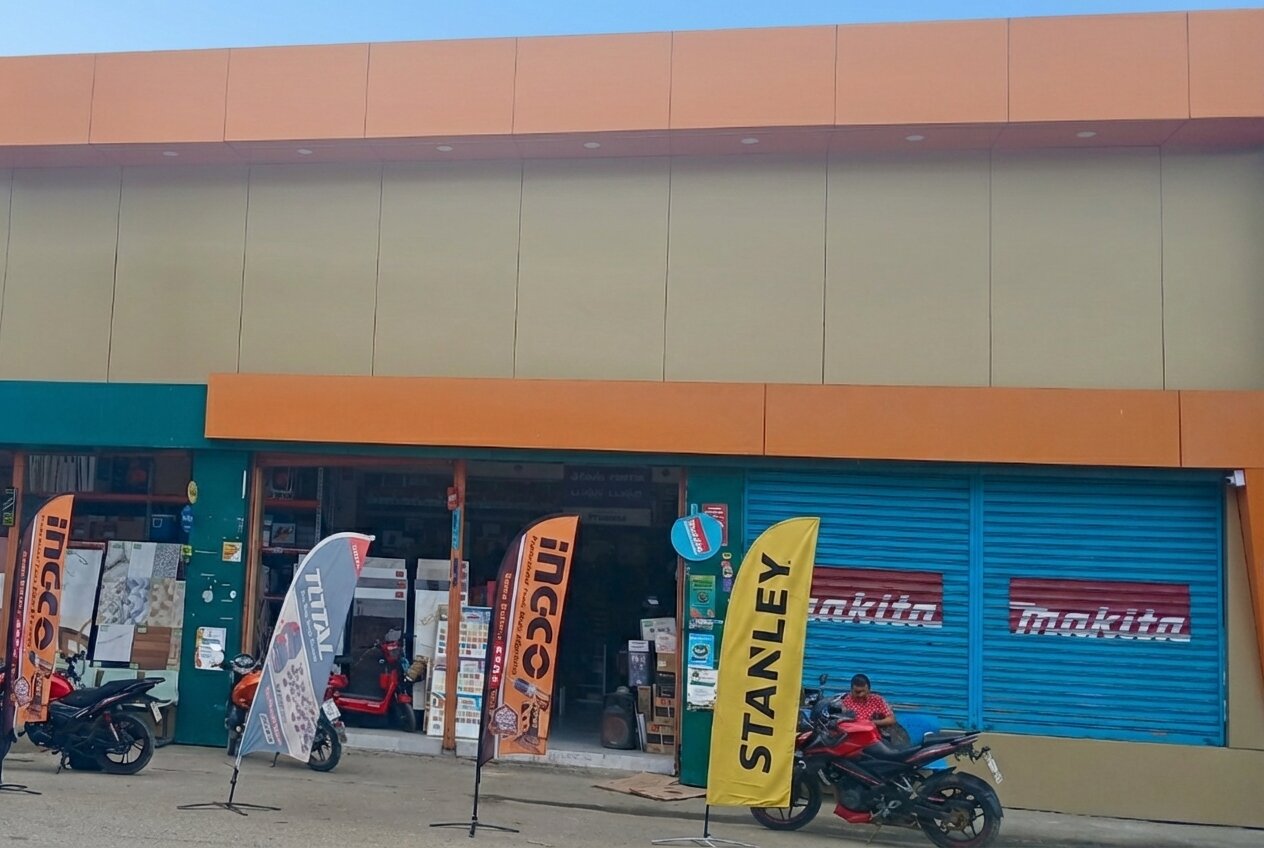
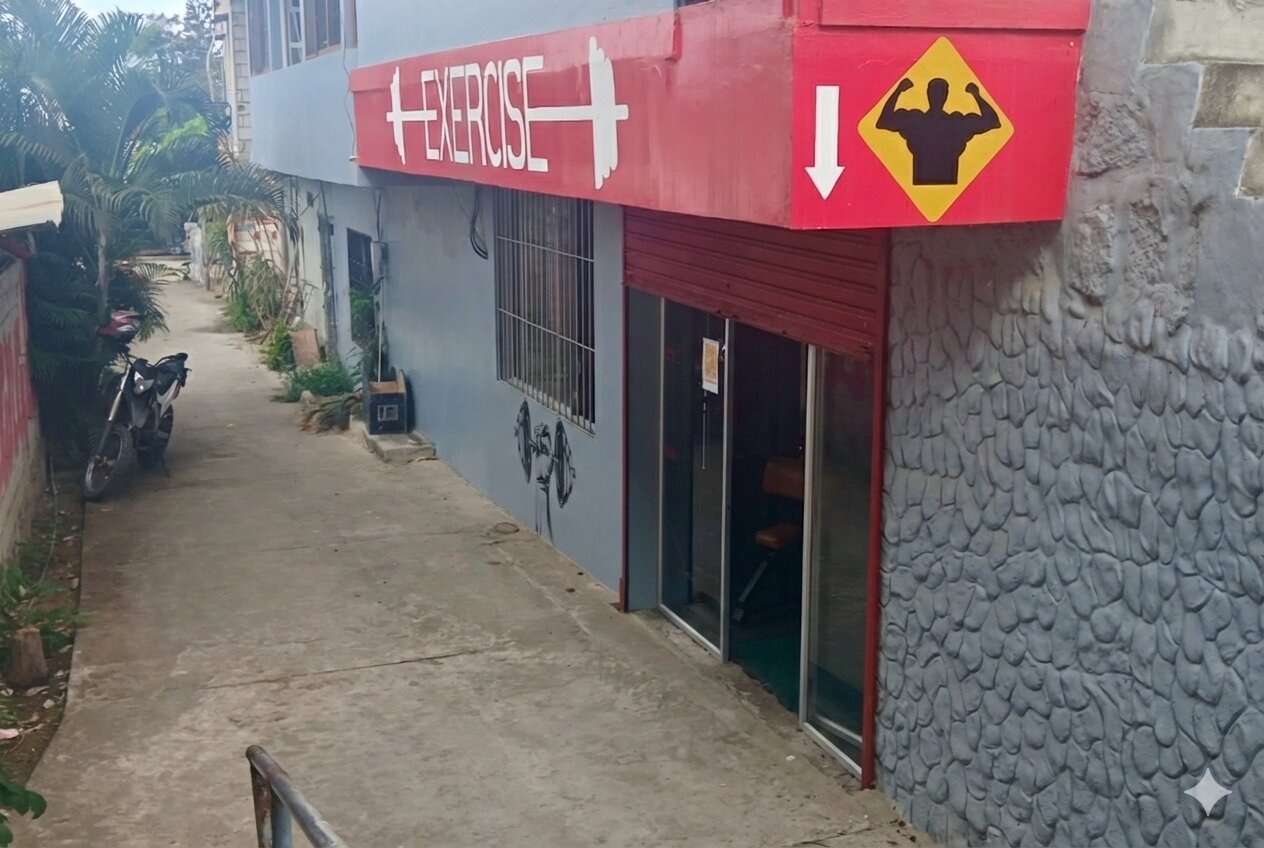
Manglaralto works as a place to actually live. Manglaralto has the best hardware store around. Gyms, Spanish classes, yoga studios, run clubs and more are all within minutes and locals groups to help you find recommended services and activities.
Music, events & culture
Manglaralto has its own social life, which is easy to overlook if you assume all the action is in Montañita.
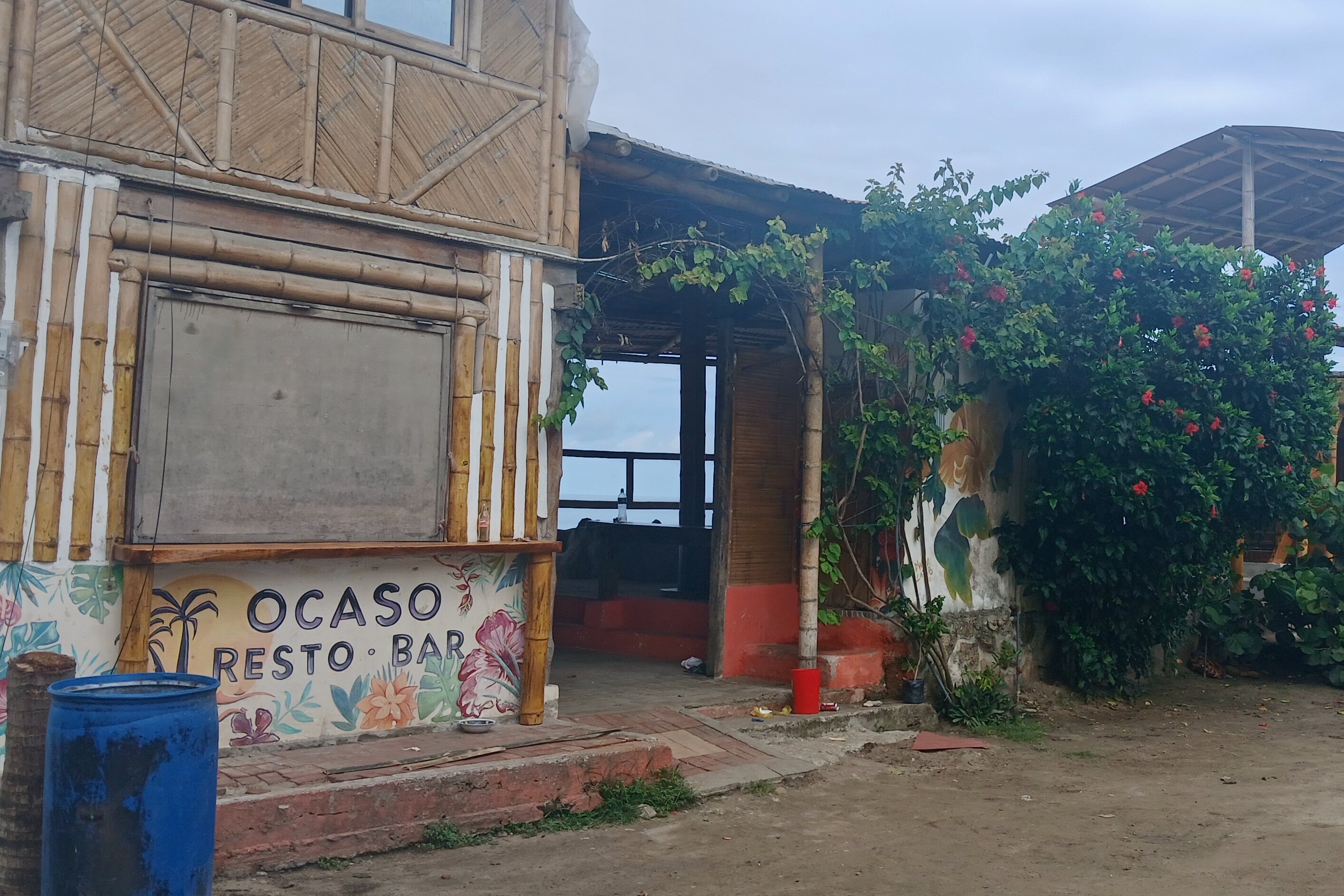
Ocaso Bar is a laid‑back, open‑air spot that regularly hosts Friday night live music — local blues and rock bands doing American covers or original work. It's a great place to meet neighbors without committing to a full night out in a louder town. The crowd is mixed — local, expat, the occasional traveler who wandered over — it's the kind of place where you end up staying longer than planned.
The Anniversary of the parish of Manglaralto is the big annual celebration: parades, music, dancing, and food stalls that take over the town for a few days. New Year's Eve here is also something to experience communal, loud, joyful, and very Ecuadorian.
Integration, fishing & the sea
The sea is a big part of life here, and that comes with a certain culture and rhythm. Residents are generally friendly and tolerant of cultural differences, with a strong sense of family and community that you feel in everyday interactions. Foreigners who try to speak some Spanish and show up to local events report easier integration. Residents are generally friendly and tolerant of cultural differences, with a strong sense of family and community that you feel in everyday interactions. Foreigners who try to speak some Spanish and show up to local events report easier integration.
Shore fishing is permitted in many areas, and some local boats will take paying passengers out on short trips. It's more casual and opportunity-based than structured tour-operator stuff (those are available too). Or just buy some equipment and try your luck from the beach.
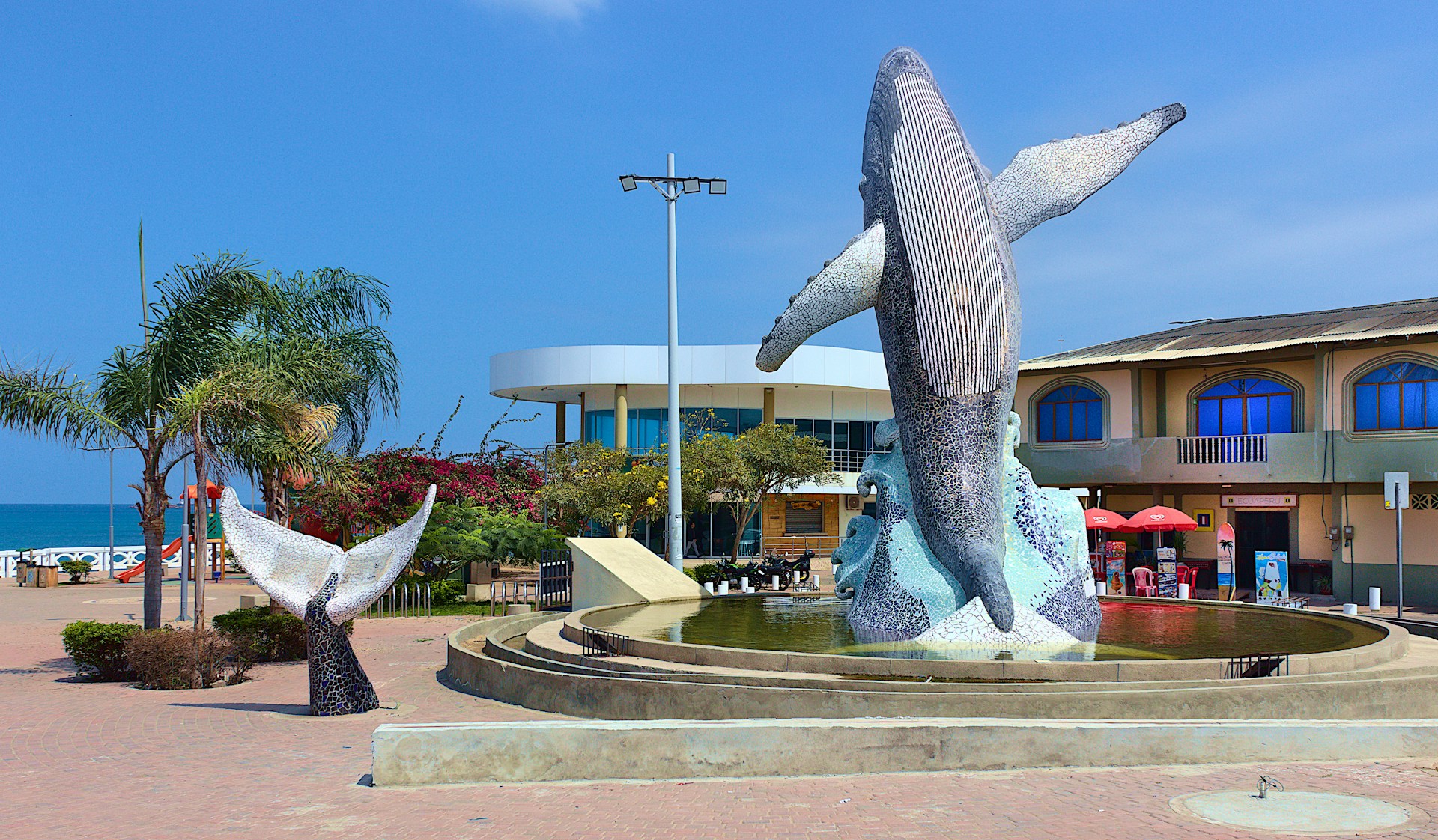
Humpback whale season runs roughly June through October, peaking in July–September. The dedicated whale-watching infrastructure is further north around Puerto López and Machalilla National Park, but you will see them go by from your porch if you live on the beach.
Dos Mangas — ~10 minutes inland
Waterfalls, forest, and howler monkeys
If you want to get off the coast for a few hours, Dos Mangas is the answer. Local pickup trucks run from town to the entrance for about $0.50 per person if you're willing to wait for a full load of six, or $3 for immediate departure. The trailhead starts at a small interpretation center — self-guided entry is $2, hiring a guide runs about $22.50, and you can rent boots for $0.50 if conditions are muddy. The site opens around 8:00 and closes around 15:00.
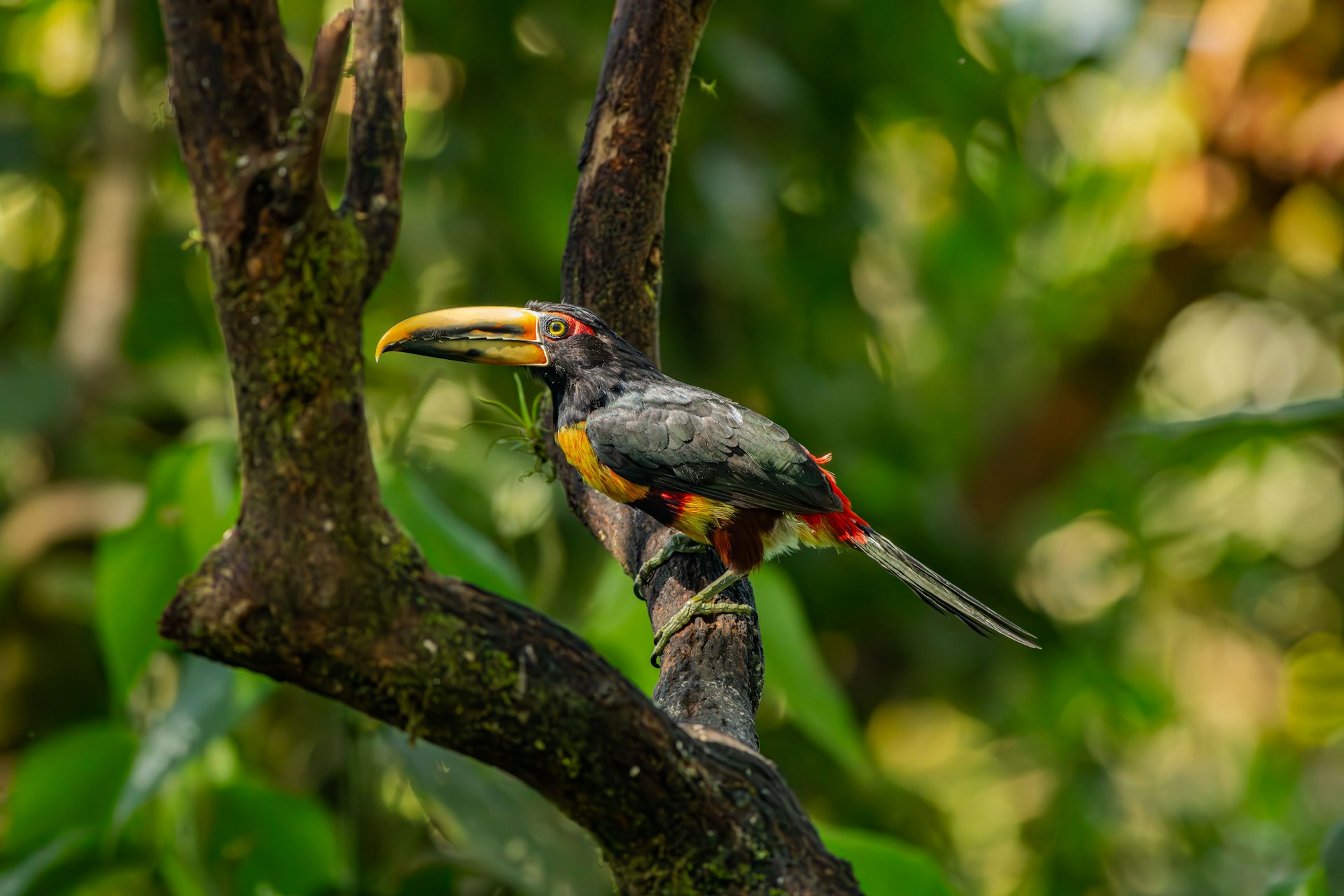
The trail follows a river through humid forest — medicinal plants, endangered Guayacán trees, and howler monkeys up in the canopy. The main waterfalls take about two hours of easy walking to reach, and the water is cool, clear, and perfect for swimming. Horseback riding is also available in the area for around $10 per person. Birdwatchers regularly spot toucans, tanagers, and warblers along the trail.
Olón — ~8 minutes north
Quiet beach town, serious food scene
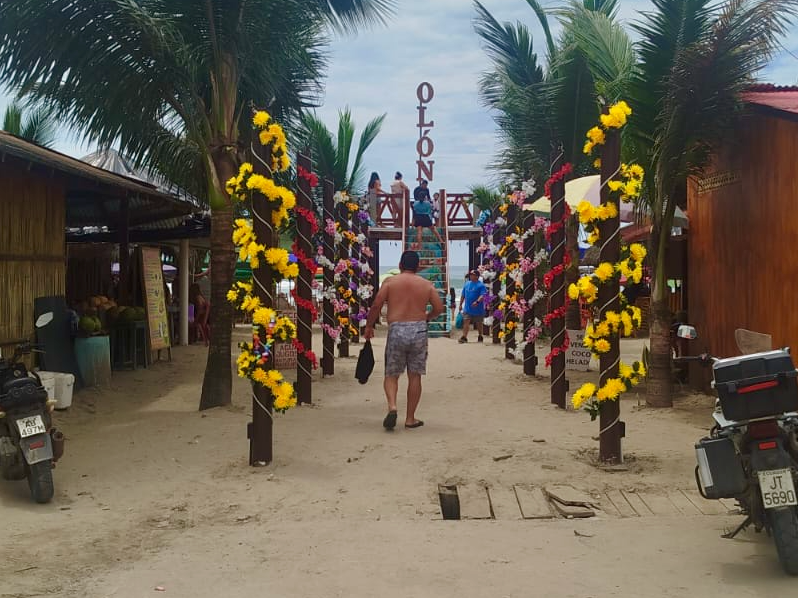
Olón is about eight minutes north along the Ruta del Sol, and it punches well above its size when it comes to food and community. It's quieter than Montañita — a long stretch of beach, casual beachfront cabins, a mix of surfers, families, and expats — and it has a surprisingly well- developed dining scene.
Sundays draw day visitors from Guayaquil, which adds a bit of energy. It's still very much a town where people actually live.
Bakeries & cafés
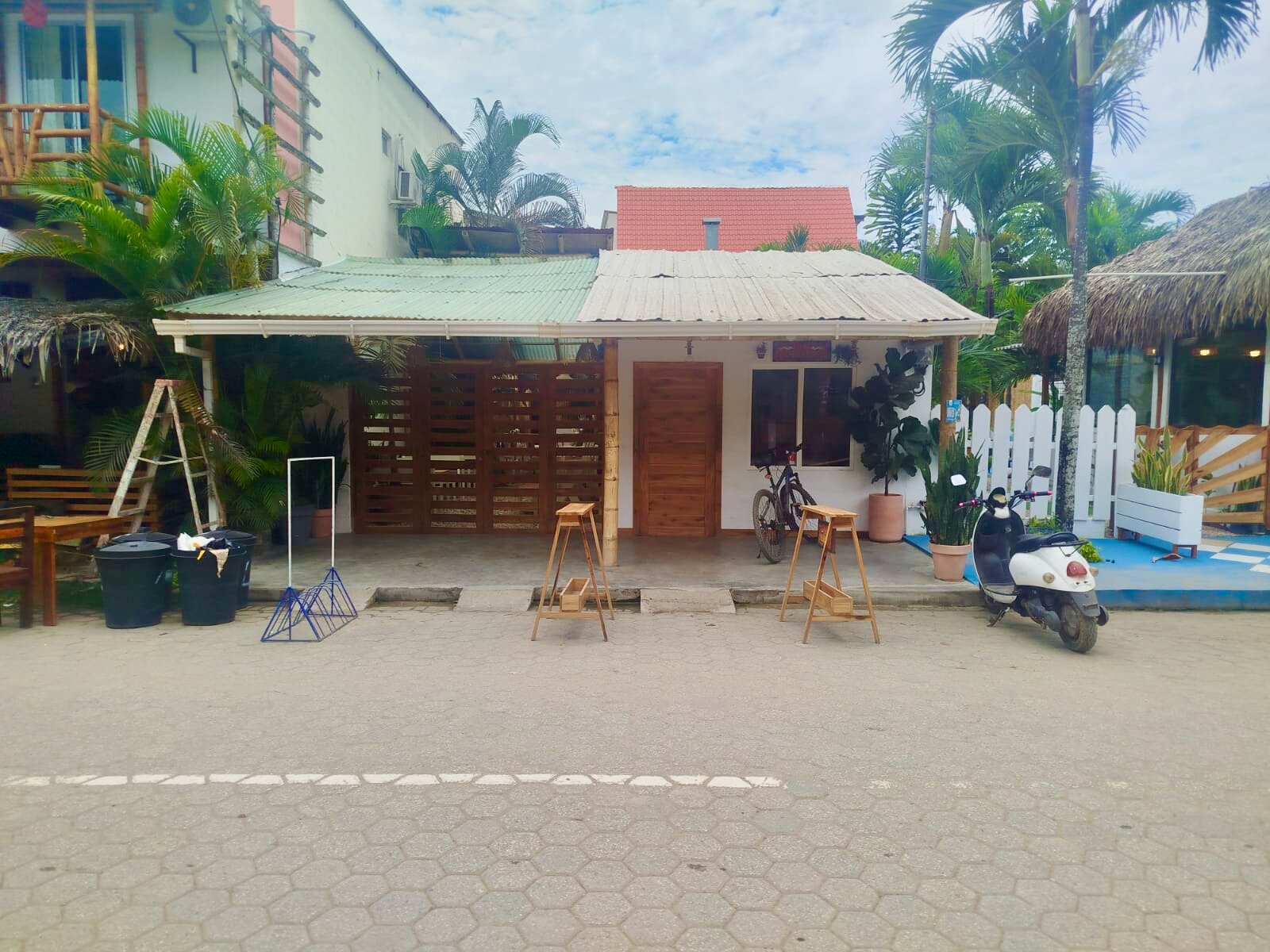
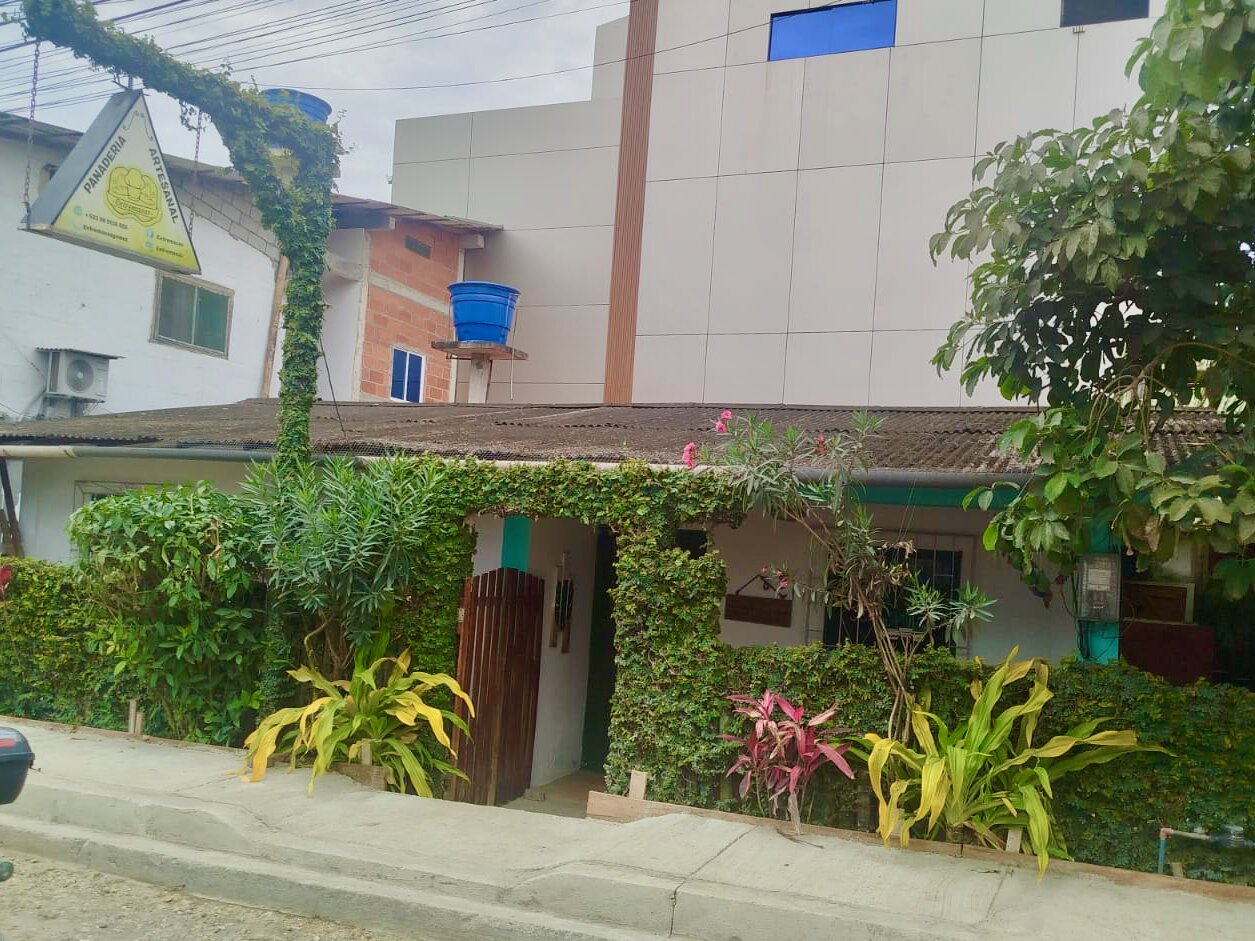
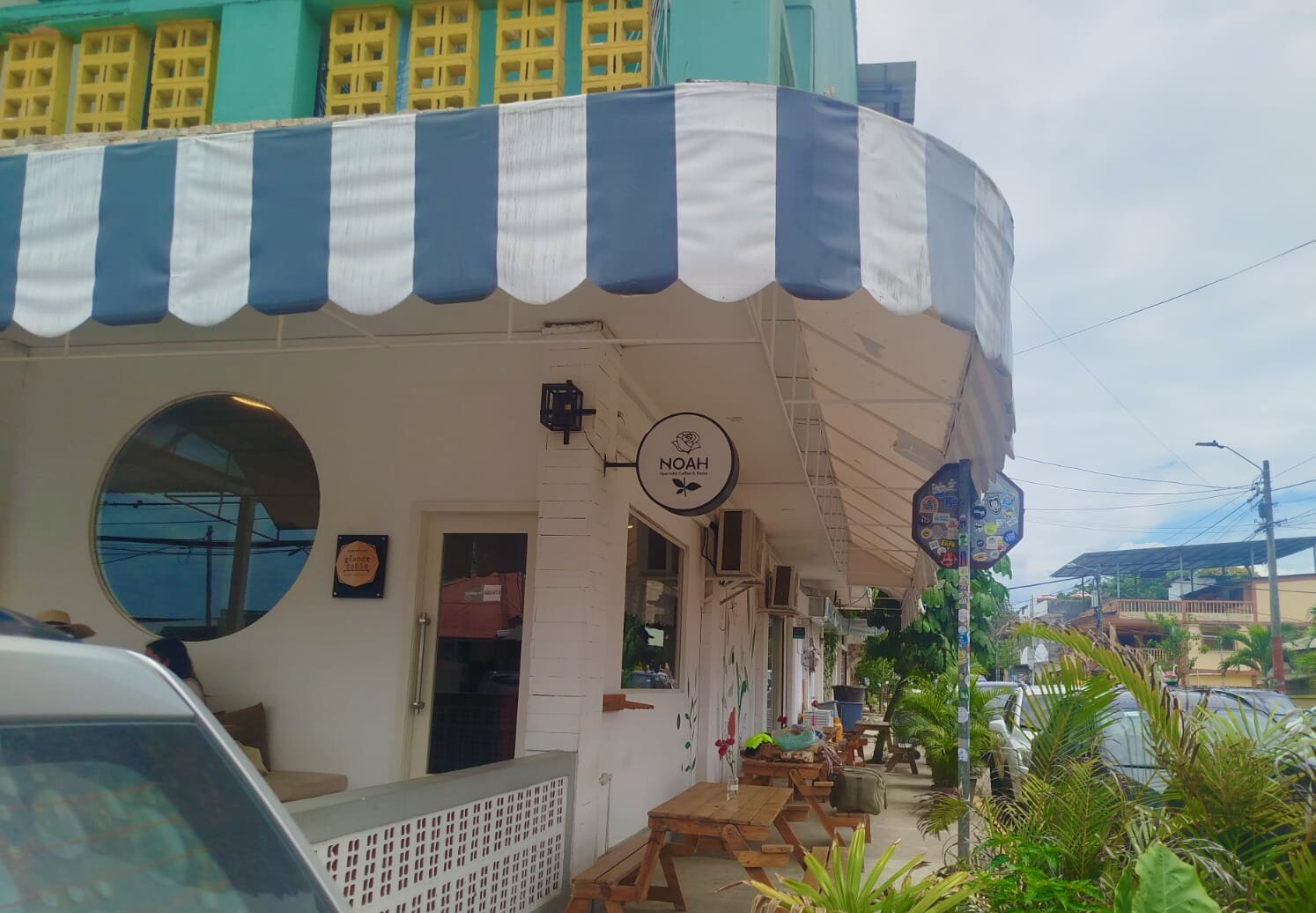
The café and bakery scene in Olón is one of its strengths.La Churrería is a hopping spot at night for churros and desserts. Panadería Entremasas has some of the best fresh bread (cinnamon rolls!) on the coast and good coffee. Noah Cafe and Tortuga Cafe round out the morning and afternoon options — the perfect places to meet a friend or work on your laptop for a few hours.
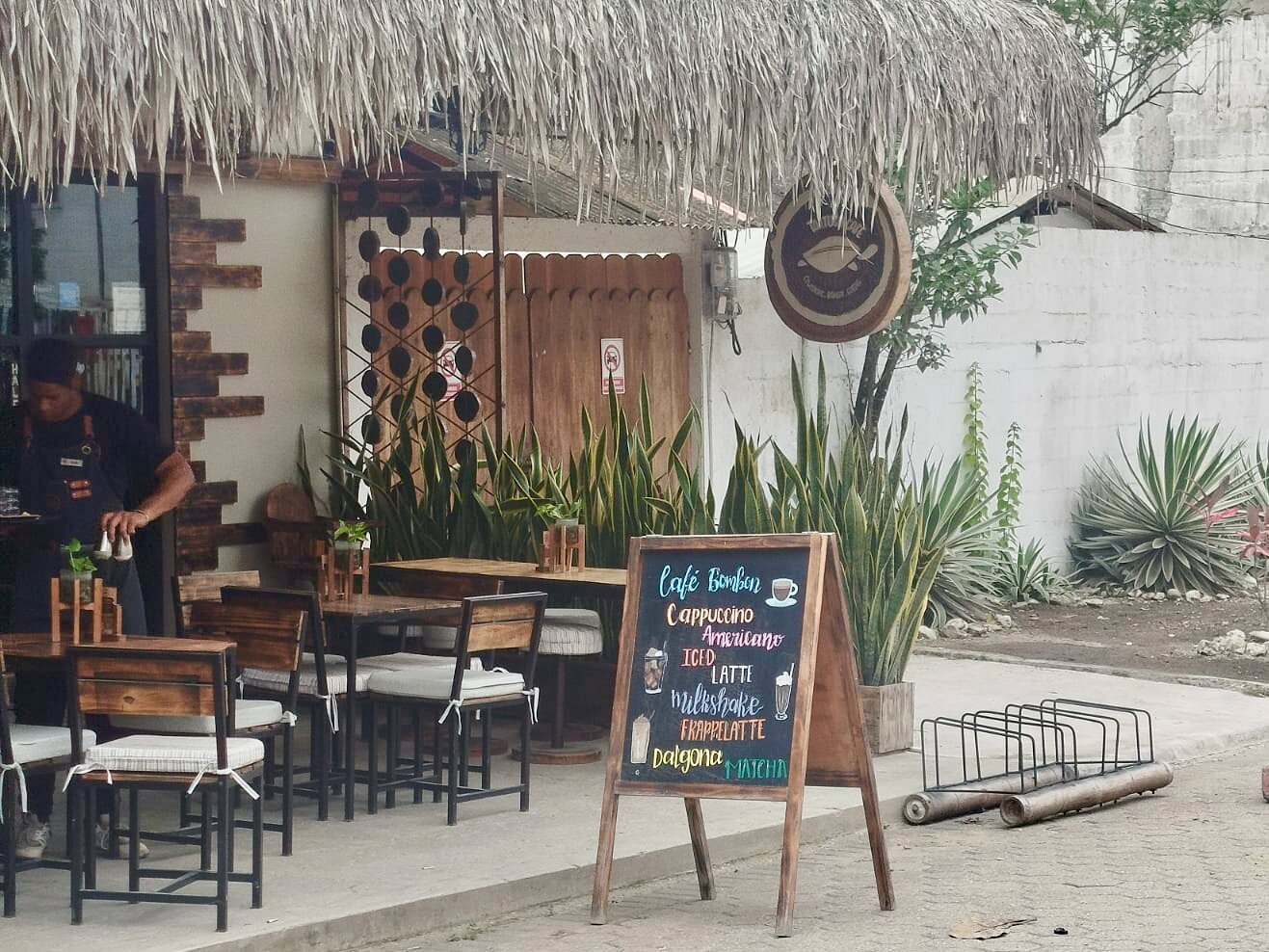
Restaurants
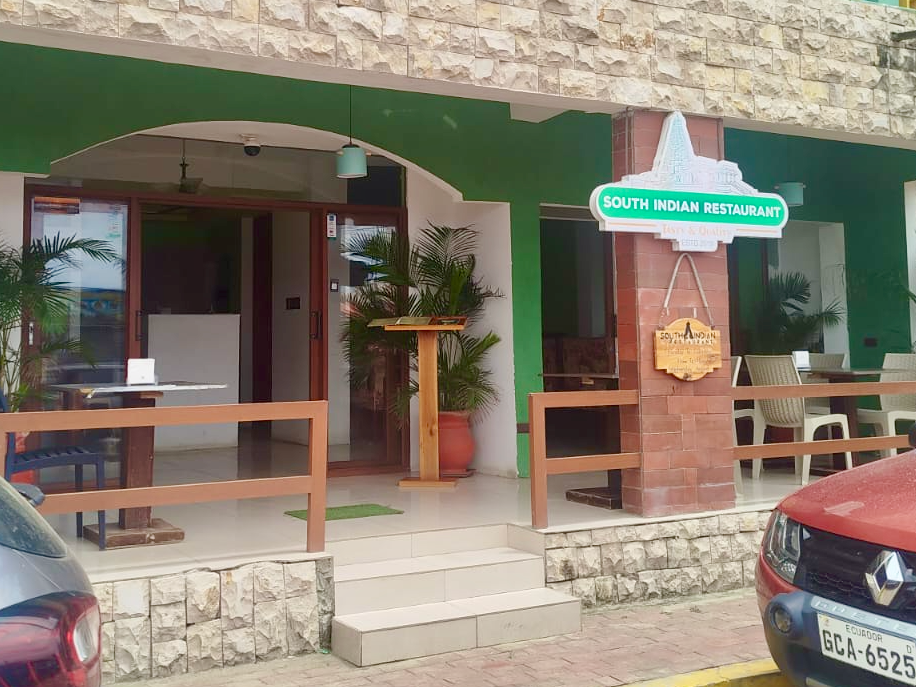
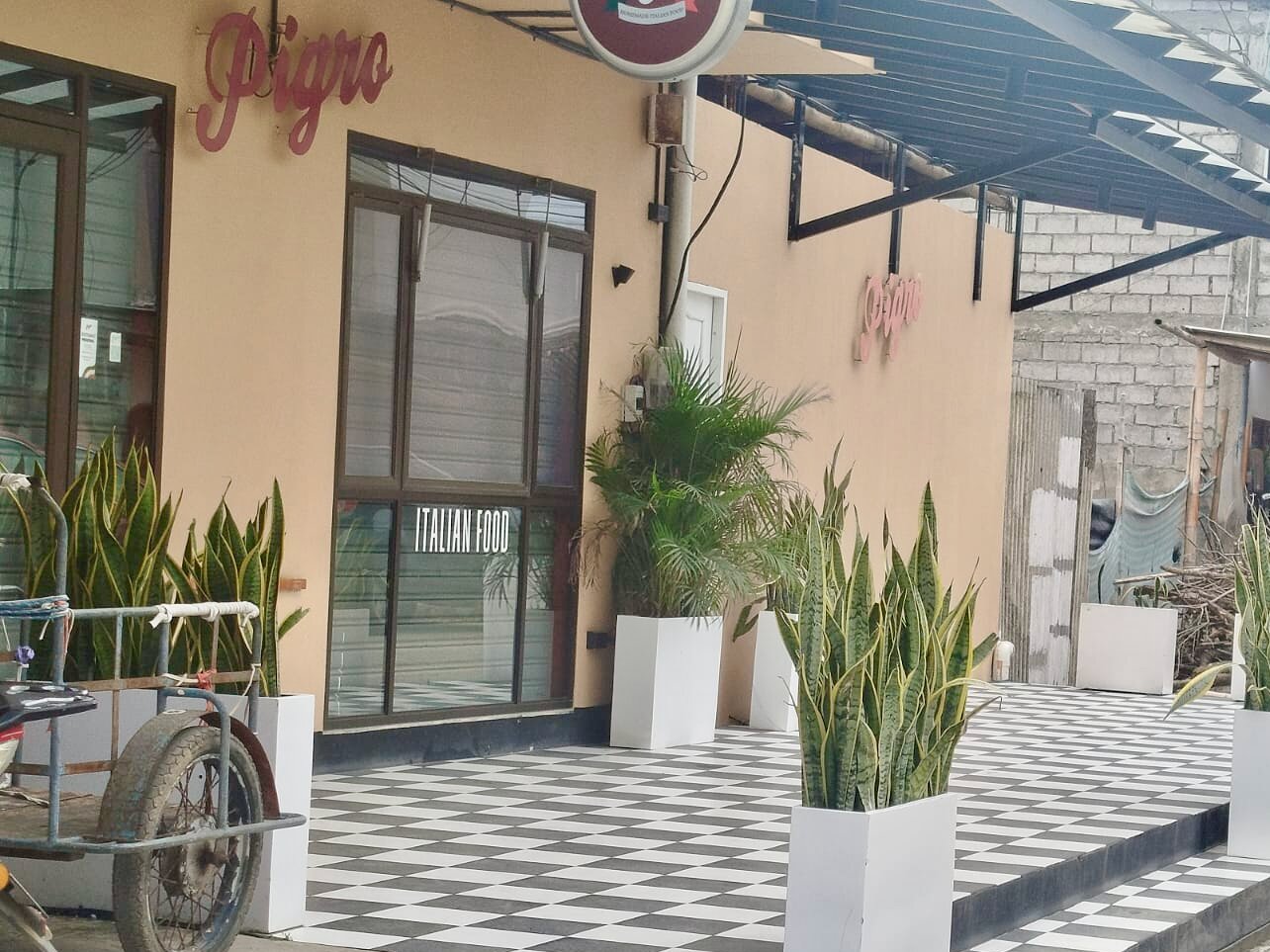
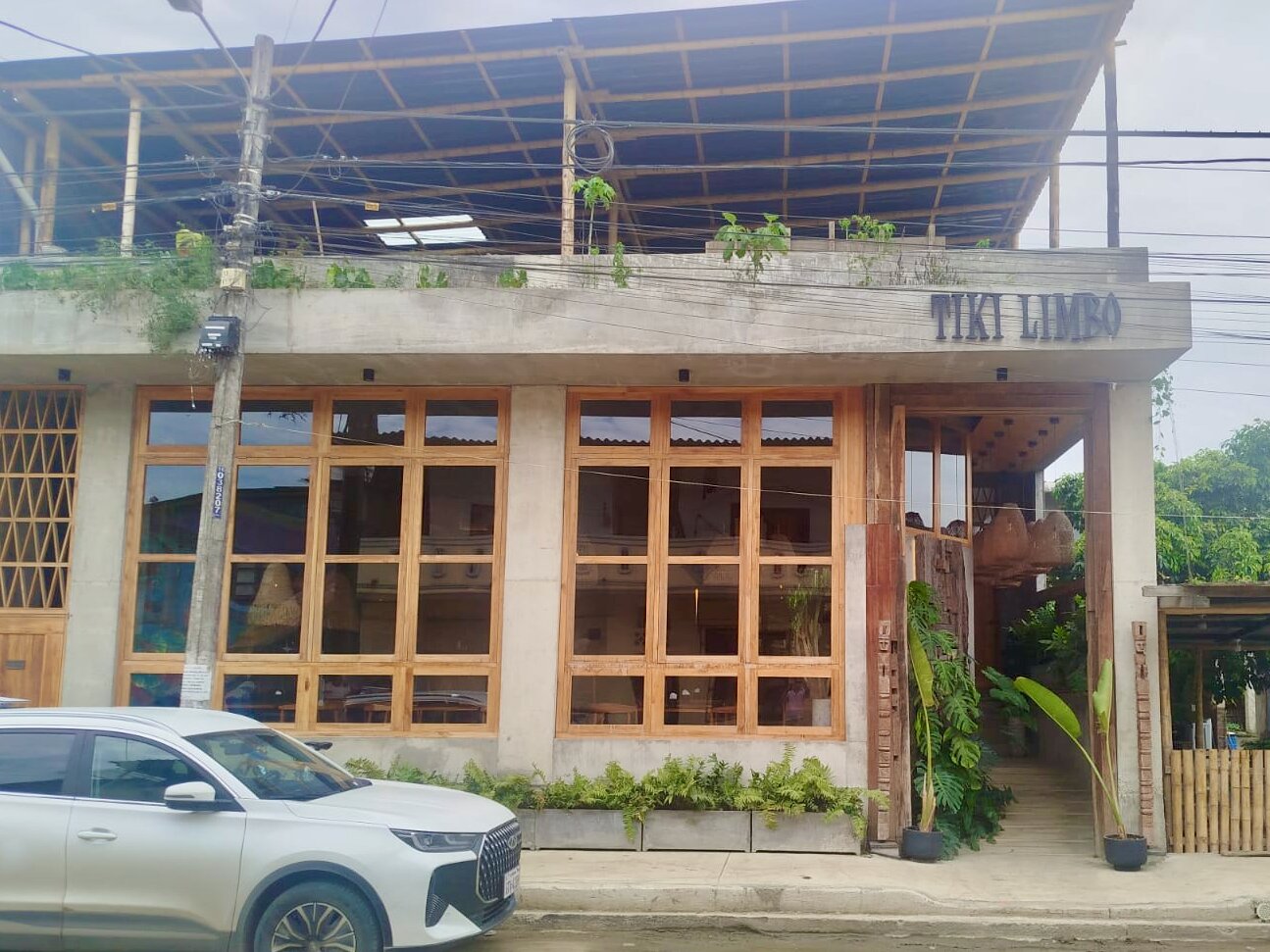
The restaurant range in Olón is genuinely broad for a town its size. MOMO is known for cocktails and an international menu. South Indian Restaurant is a real surprise — chicken tikka and naan that would hold up anywhere, oooh and samosas! Tortollo and El Pigro and handle Italian. A variety of pizza and ecuadorian options, a sports bar or two. Plenty to choose from.
Community & expat life
Olón has a real social calendar — beach meetups, poker nights, music, food events, and cultural gatherings that mix locals and foreigners in a way that doesn't feel forced. A lot of the community activity gravitates around Verde Olón, a local community center that hosts craft fairs, cultural events, and the aerial arts performances and training the town has become known for. Those performances are genuinely fantastic — the kind of thing you'd drive further than eight minutes to see.
Surfing in Olón is gentler and more forgiving than Montañita, which makes it a popular place to learn. Several surf schools and board rentals operate directly on the beach with instruction in both Spanish and English.

Montañita — ~5 minutes north
Surf, nightlife, and five minutes away
Montañita is the well-known one — a surf-centric party town about five minutes north of Manglaralto, consistently cited as one of Ecuador's top surf beaches. The waves are powerful right-breakers, better suited to intermediate and advanced riders, with plenty of surf schools and rental shops if you're working your way up.
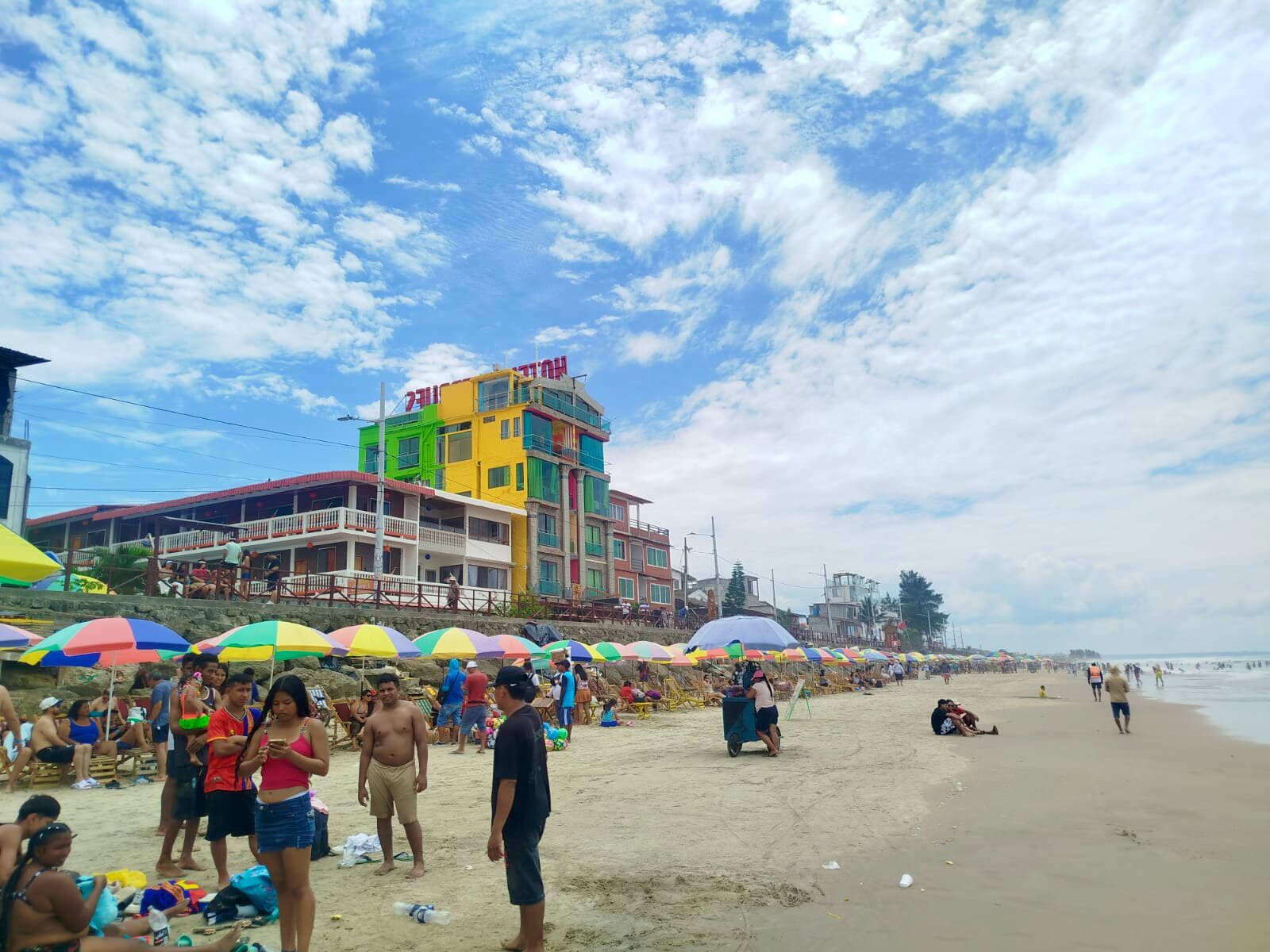
The town itself is a mix of backpacker energy, expat residents, and local families who have lived there for generations. It's a place where you can find a lively nightlife scene with bars and clubs that stay open late. La Cadena — a casual row of vendors — is the spot for breakfast smoothies, pancakes, waffles, and cocktails as the day progresses.
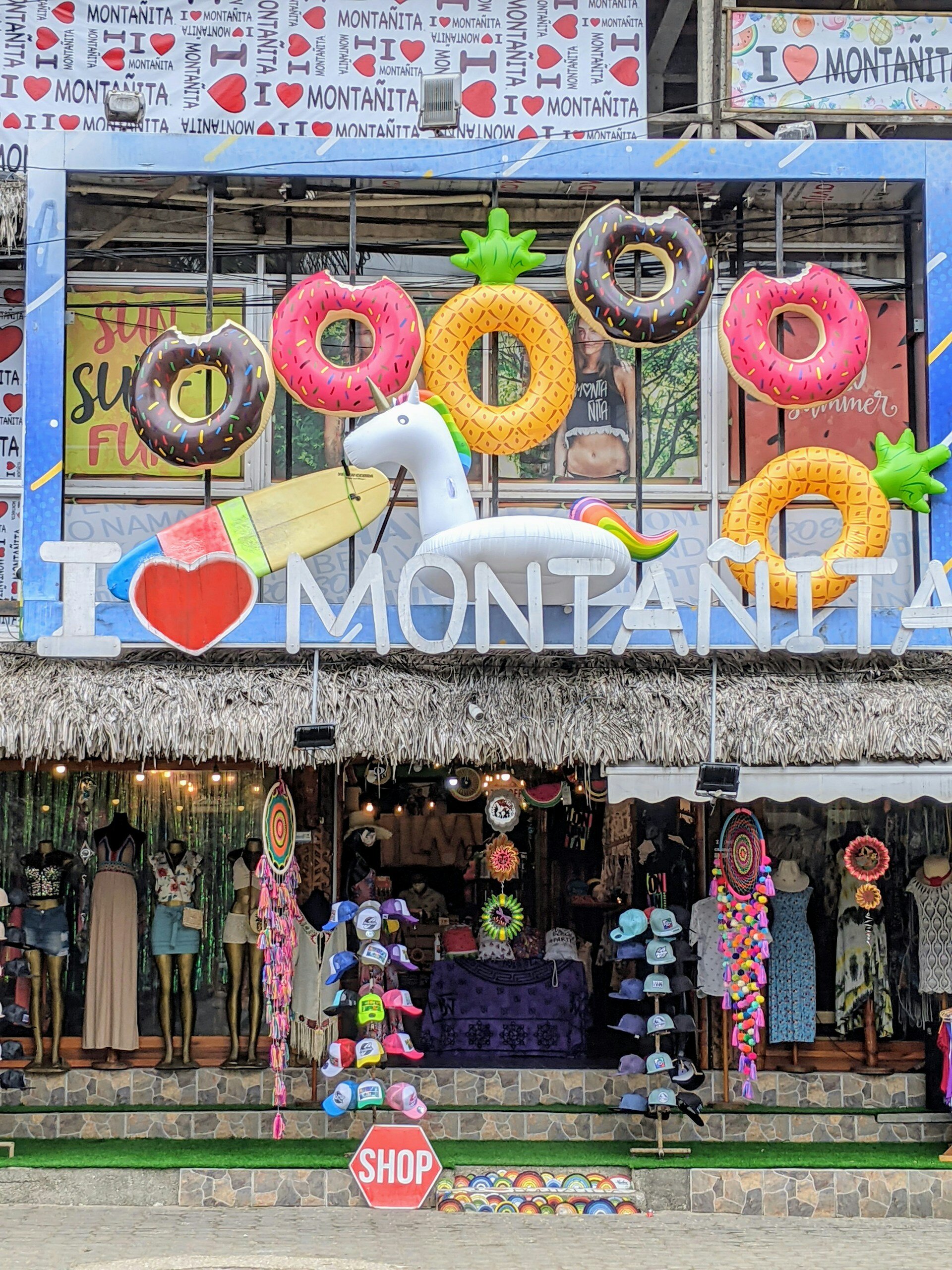
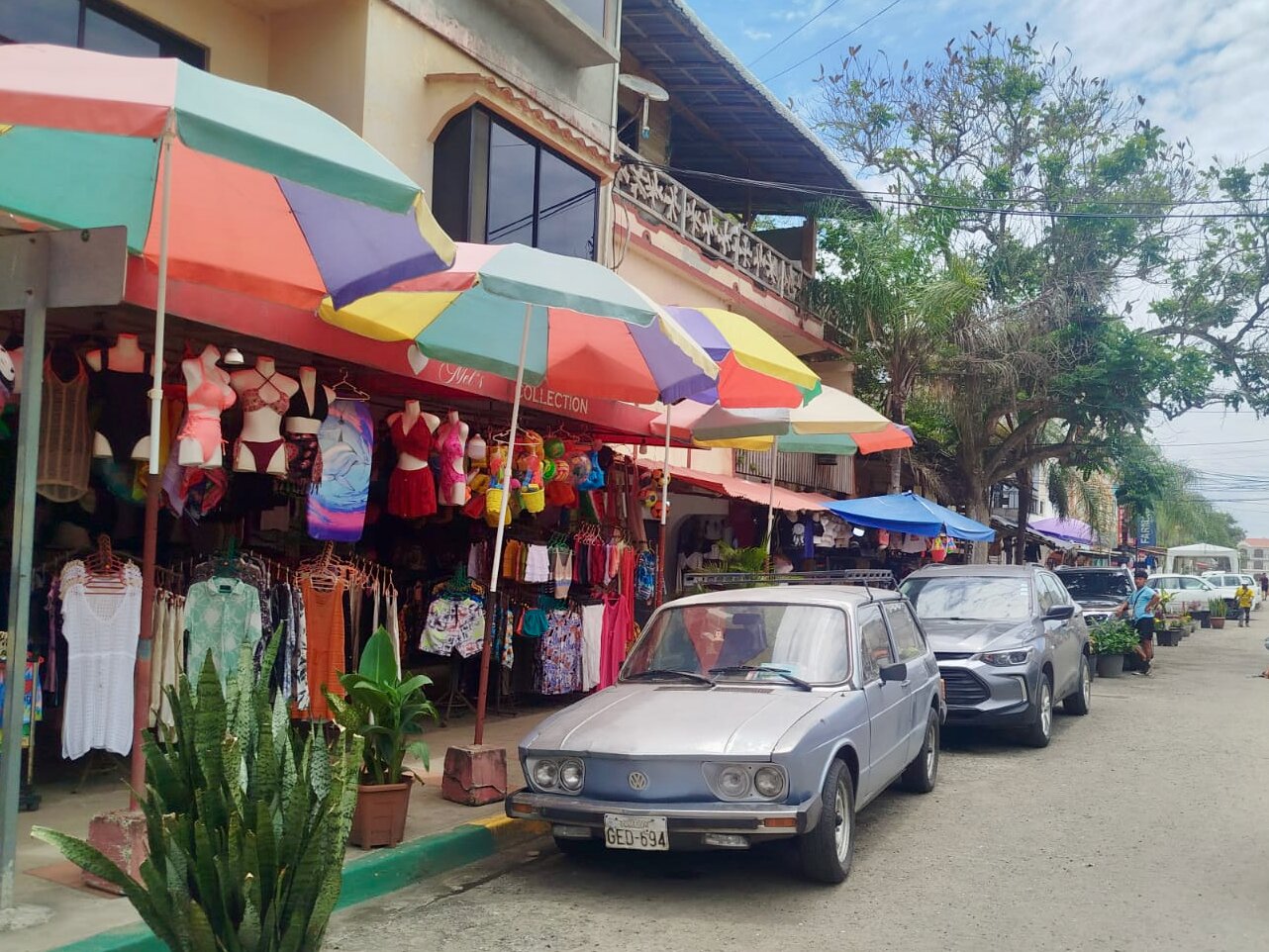
Nightlife includes the famous Lost Beach Club, which brings in international electronic DJs and has built a reputation for Monday nights in particular. The rest of the walkable streets are packed with handicraft shops, hostels, bars, and casual cafés — bohemian, loud late into the night, but still intimate by global party-town standards.
The key thing about Montañita from a Manglaralto perspective: it's five minutes away when you want it, and far enough that you don't have to deal with it when you don't.